Tell us about the job
Takes about a minute. No obligation.
A contractor sizing and installing a water heater in Madison County has to account for what the local climate has already asked of existing equipment. 51 severe weather events were recorded in Madison County, North Carolina between 2015 and 2024. At that rate, severe weather is a background presence rather than a relentless one, which means a failing or undersized water heater is far more likely to trace back to an original install that did not fit the house, or to years of deferred maintenance, than to storm wear. A contractor who understands that distinction prices and specifies the replacement accordingly.
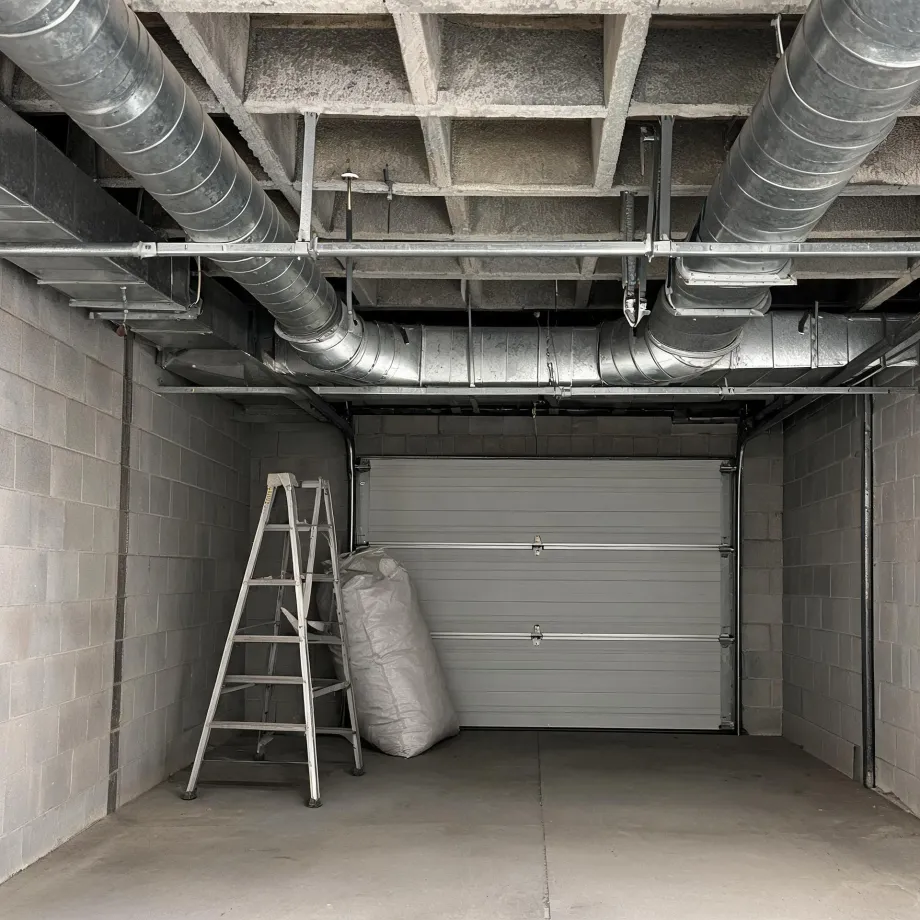
The ductwork and electrical service in a house are sized and routed for what was there when the house was built. Half the homes in Madison County, North Carolina were built in 1987 or earlier (2020-2024 ACS 5-year). That gap between original construction and what a contractor installs today is where water heater work gets complicated, because venting paths, panel capacity, and existing connections were set up for different equipment. A contractor working in stock this old checks those systems before pricing anything else.
What a Water Heater Installation Covers
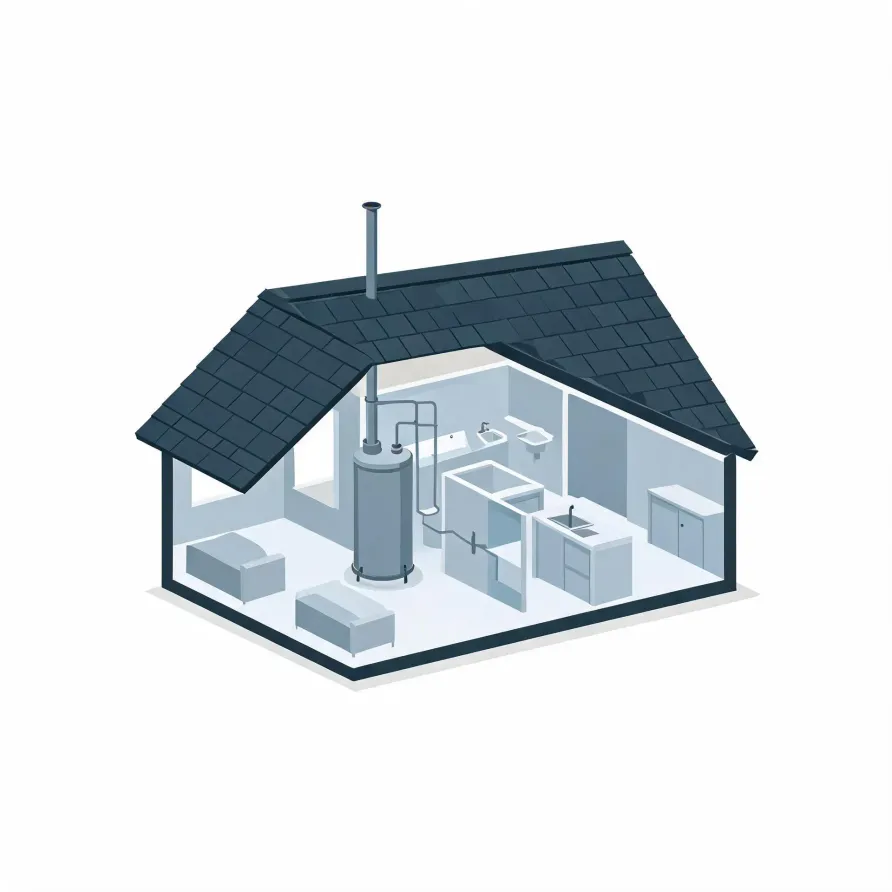
The tank or tankless unit is the centerpiece of the job. A storage tank sits in a utility closet, basement, or garage and holds a ready supply of heated water. A tankless unit mounts on a wall and heats water only when a tap opens, taking up far less floor space.
The pressure relief valve attaches directly to the tank and releases pressure if it climbs too high. The supply and discharge lines connect the unit to the home's cold water feed and to every fixture that draws hot water. An expansion tank may sit on the cold supply line where code requires one.
The drawing shows a typical layout, and a licensed contractor determines exactly what applies to this house.
Find a contractor in Madison CountyMadison County, by the numbers
51 severe weather events were recorded in Madison County, North Carolina between 2015 and 2024.
NOAA National Centers for Environmental Information, Storm Events Database, bulk CSV export, events 2015-01-01 through 2024-12-31.Half the homes in Madison County, North Carolina were built in 1987 or earlier (2020-2024 ACS 5-year).
U.S. Census Bureau, 2020-2024 American Community Survey 5-Year EstimatesMadison County, North Carolina holds 11,356 housing units (2020-2024 ACS 5-year).
U.S. Census Bureau, 2020-2024 American Community Survey 5-Year EstimatesOwners occupy 77.5% of the occupied homes in Madison County, North Carolina (2020-2024 ACS 5-year).
U.S. Census Bureau, 2020-2024 American Community Survey 5-Year EstimatesSevere Weather Events in Madison County
Weather puts direct strain on water heating equipment, driving harder cycles and shortening the window before a system needs attention. How much stress a unit faces depends on local conditions, and Madison County has its own record.
51 severe weather events, 2015–2024. Source: NOAA National Centers for Environmental Information, Storm Events Database.