Tell us about the job
Takes about a minute. No obligation.
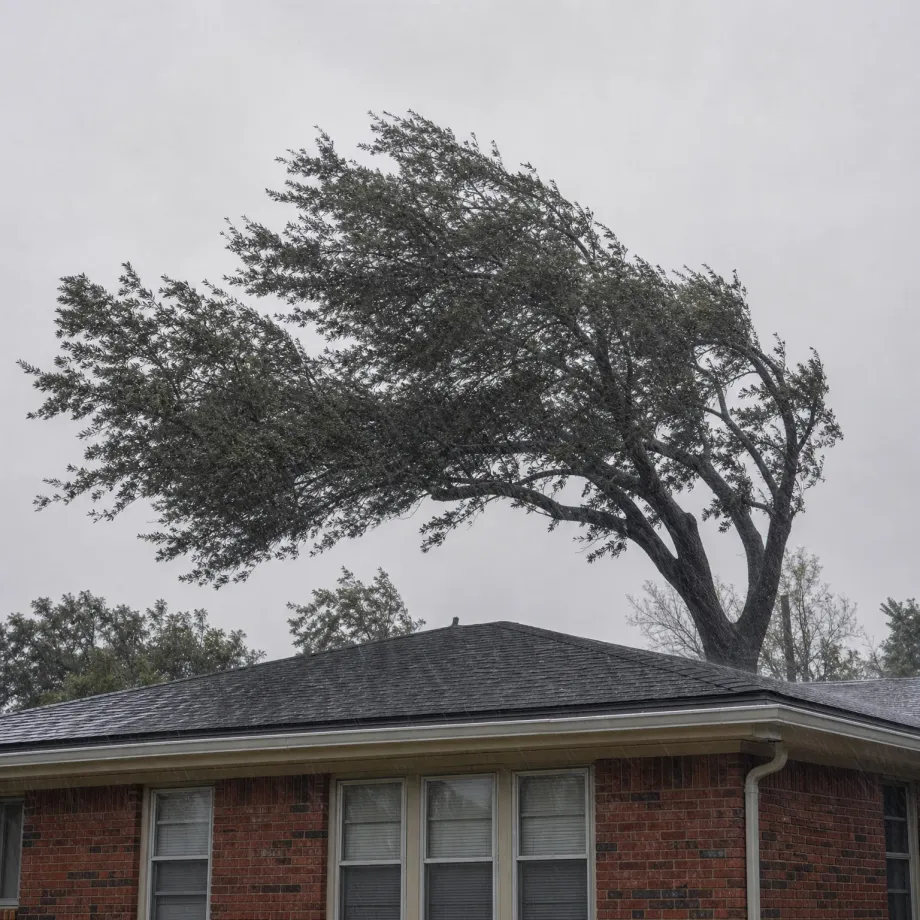
A water heater repair in Yancey County starts with what the unit has been through inside the house, not outside it. 35 severe weather events were recorded in Yancey County, North Carolina between 2015 and 2024. At that rate, severe weather is an occasional event here rather than a steady operating condition, so a contractor looking at a failed heating element or a corroded anode rod is not working backward from storm load. The likelier explanations are age, the mineral content of the local water supply, and how the unit was originally installed. Those are what a licensed contractor checks first.
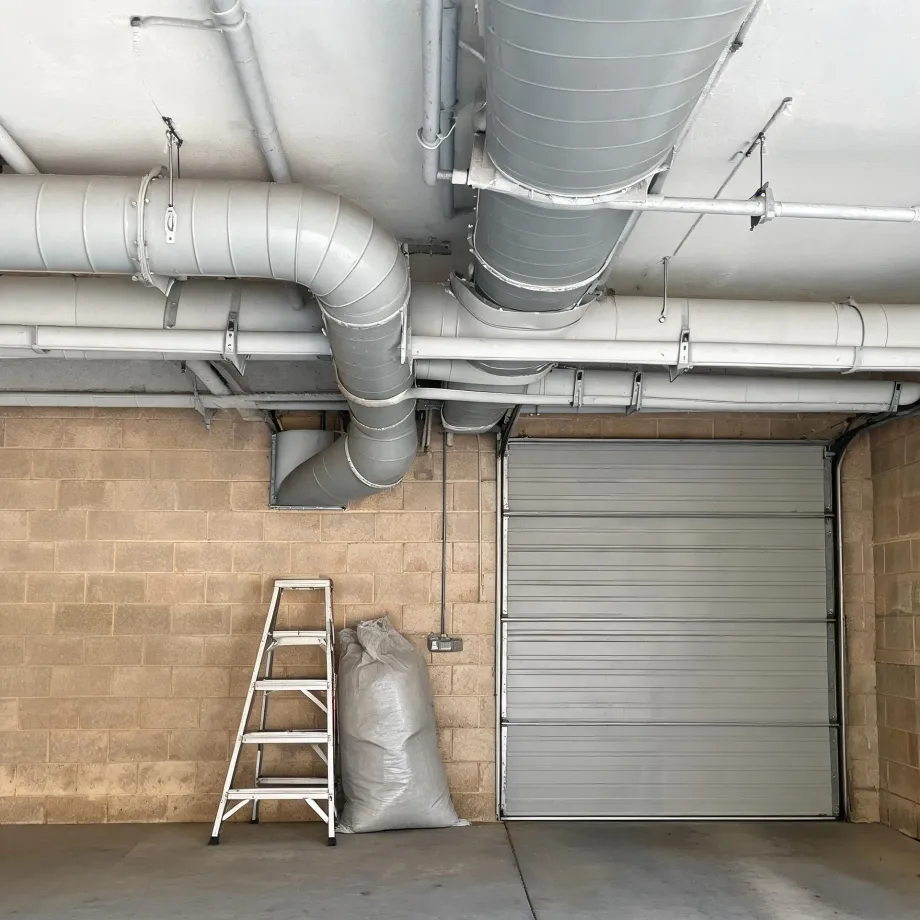
Water heaters in houses this old have been patched, drained, and pushed past their rated limits more than once. Half the homes in Yancey County, North Carolina were built in 1988 or earlier (2020-2024 ACS 5-year). When a contractor opens a unit in stock of this age, the sediment buildup, the anode rod condition, and the state of the pressure relief valve are what set the repair scope, and those findings vary house to house even on the same street. The harder variable is parts availability: systems that old may take components that manufacturers have stopped supplying, which changes whether a repair is worth pursuing at all.
The Parts of a Water Heater a Contractor Checks During Repair
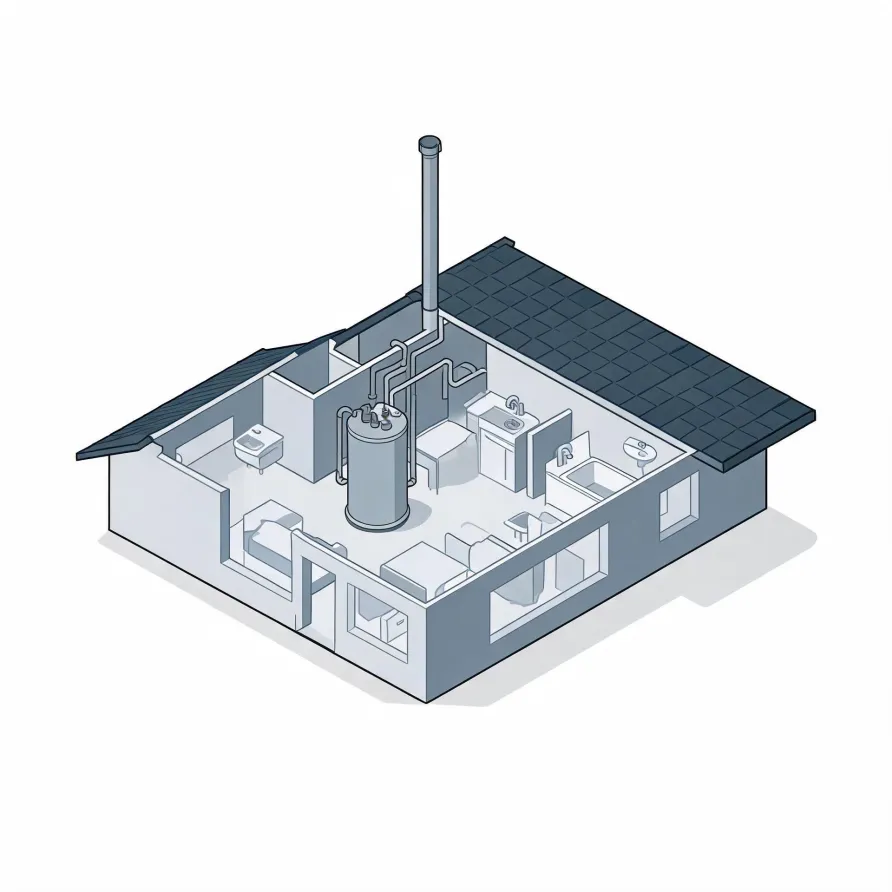
The storage tank is the piece most homeowners know by sight, sitting in a utility closet, basement, or garage. It holds the water and keeps it hot. When a repair call comes in, the tank itself, its lining, and the pressure relief valve mounted on its side are among the first things a contractor looks at, because failures there show up fast.
The burner assembly or heating element sits at the base or inside the tank depending on whether the unit runs on gas or electricity, and the thermostat that tells it when to fire sits nearby. The anode rod runs down through the tank interior, its job being to draw corrosion away from the tank walls, and a contractor pulls it to see what condition it is in.
The drawing shows a general cutaway of a water heater, and a licensed contractor determines which parts apply to the specific unit and situation in your home.
Find a contractor in Yancey CountyYancey County, by the numbers
35 severe weather events were recorded in Yancey County, North Carolina between 2015 and 2024.
NOAA National Centers for Environmental Information, Storm Events Database, bulk CSV export, events 2015-01-01 through 2024-12-31.Half the homes in Yancey County, North Carolina were built in 1988 or earlier (2020-2024 ACS 5-year).
U.S. Census Bureau, 2020-2024 American Community Survey 5-Year EstimatesYancey County, North Carolina holds 11,376 housing units (2020-2024 ACS 5-year).
U.S. Census Bureau, 2020-2024 American Community Survey 5-Year EstimatesOwners occupy 79.4% of the occupied homes in Yancey County, North Carolina (2020-2024 ACS 5-year).
U.S. Census Bureau, 2020-2024 American Community Survey 5-Year EstimatesSevere Weather Events in Yancey County
Extreme weather puts water heaters under stress: temperature swings, power surges, and flooding all accelerate wear on tanks, elements, and connections. How often that kind of weather hits Yancey County shapes how hard local water heaters work and how soon they need attention.
35 severe weather events, 2015–2024. Source: NOAA National Centers for Environmental Information, Storm Events Database.