Tell us about the job
Takes about a minute. No obligation.
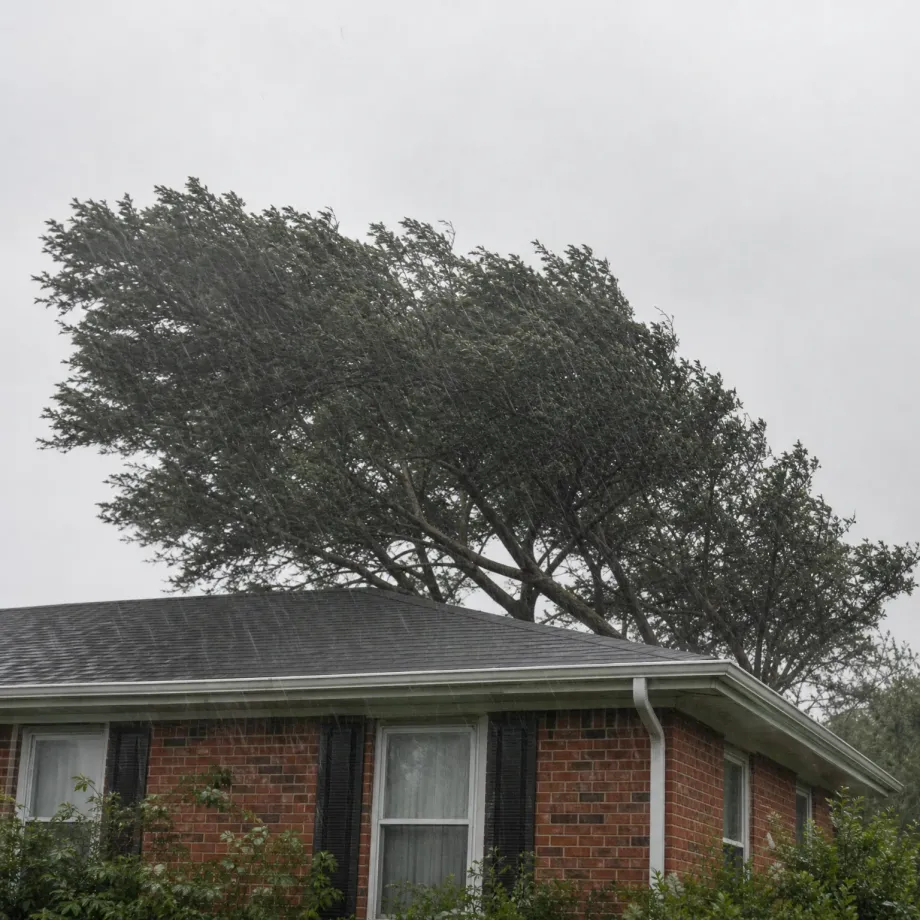
A contractor quoting a water heater installation in Avery County starts with the building's actual hot water demand, the fuel source, and whether the existing setup was ever sized correctly. 49 severe weather events were recorded in Avery County, North Carolina between 2015 and 2024. At that rate, severe weather is a real but infrequent variable in a system's life here. What drives early failure or poor performance in this county is usually an undersized unit, a poor original install, or years of deferred maintenance. A contractor will establish those conditions before recommending equipment.
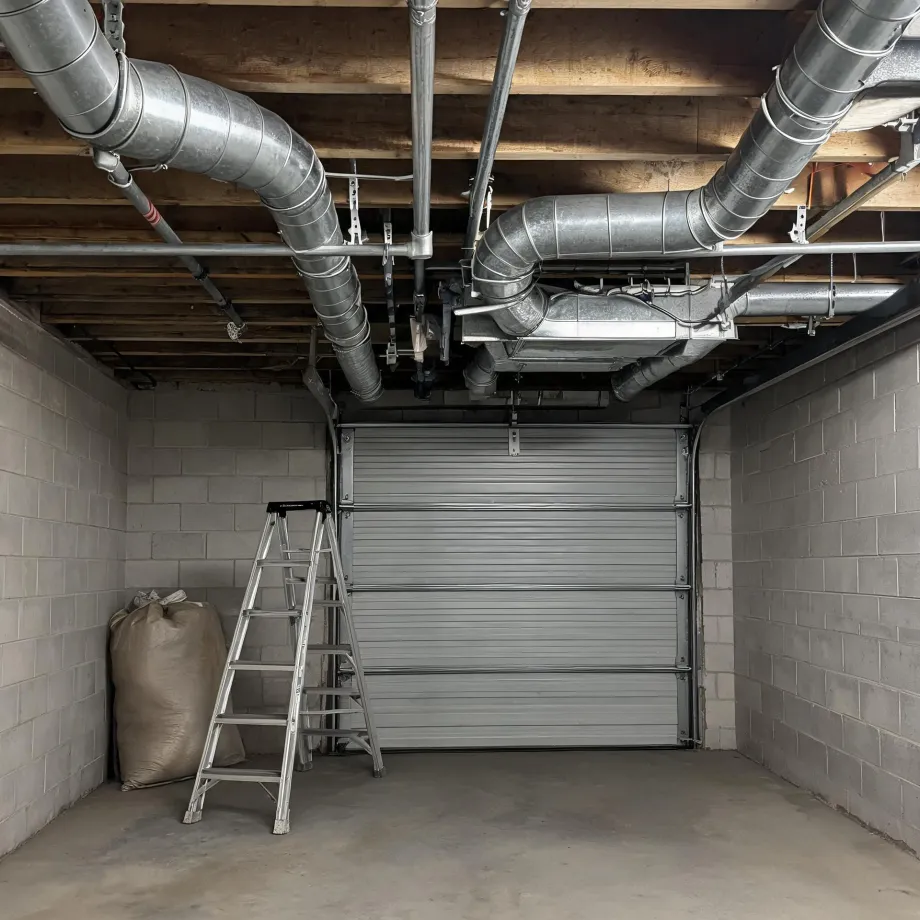
Older electrical service is the part of a water heater installation that most often surprises a homeowner in Avery County. Half the homes in Avery County, North Carolina were built in 1985 or earlier (2020-2024 ACS 5-year). A house built in that era was wired for the loads common at the time, and a new water heater may draw more than that original service was sized to handle. A licensed contractor will check the panel and the existing circuit before anything else gets priced, because that is where the real variable sits.
What a Water Heater Installation Covers
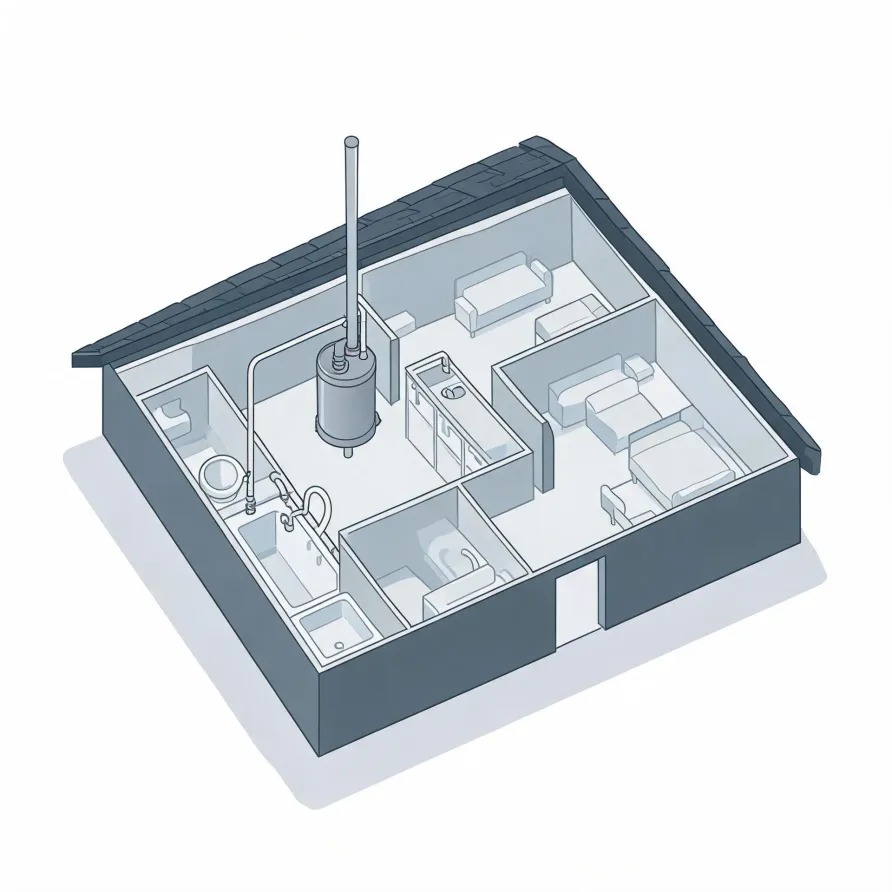
The tank or tankless unit is the centerpiece of the system, sitting in a utility room, basement, or garage and holding or heating water on demand. Attached to it are the cold-water inlet and hot-water outlet connections, which route supply through the house, and the pressure relief valve, which sits on the side of the unit as a safety release.
The flue or venting pipe runs from the top of a gas unit up through the wall or roof, carrying combustion gases out of the house. Alongside that, the gas supply line or electrical connections feed the unit directly, and an expansion tank sometimes mounts to the cold-water side to handle pressure changes in a closed system.
The drawing shows a typical layout, and a licensed contractor determines what applies to this particular home.
Find a contractor in Avery CountyAvery County, by the numbers
49 severe weather events were recorded in Avery County, North Carolina between 2015 and 2024.
NOAA National Centers for Environmental Information, Storm Events Database, bulk CSV export, events 2015-01-01 through 2024-12-31.Half the homes in Avery County, North Carolina were built in 1985 or earlier (2020-2024 ACS 5-year).
U.S. Census Bureau, 2020-2024 American Community Survey 5-Year EstimatesAvery County, North Carolina holds 14,201 housing units (2020-2024 ACS 5-year).
U.S. Census Bureau, 2020-2024 American Community Survey 5-Year EstimatesOwners occupy 83.0% of the occupied homes in Avery County, North Carolina (2020-2024 ACS 5-year).
U.S. Census Bureau, 2020-2024 American Community Survey 5-Year EstimatesSevere Weather Events in Avery County
Avery County's weather puts real demands on water heating equipment. How hard a unit has to work, and how long it holds up, is shaped by local conditions.
49 severe weather events, 2015–2024. Source: NOAA National Centers for Environmental Information, Storm Events Database.