Tell us about the job
Takes about a minute. No obligation.
A contractor quoting a water heater installation in Watauga County has to account for what the local climate puts on a system year after year, because the demand here is not mild. 119 severe weather events were recorded in Watauga County, North Carolina between 2015 and 2024. At that rate, severe weather is a regular feature of operating life in this county, and a water heater sized or installed without that in mind will be working against conditions the spec sheet never considered. What a contractor establishes before the job starts, from load requirements to placement and line protection, reflects what this area actually asks of the equipment.
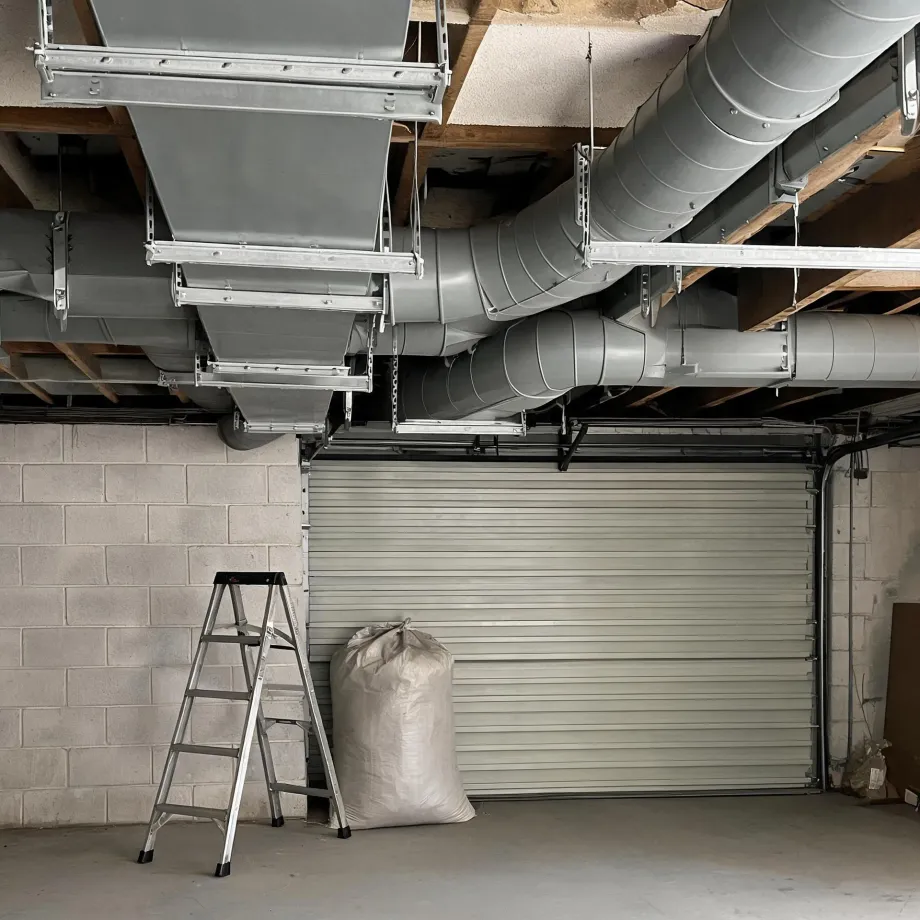
Older ductwork and electrical service were sized for what was standard when the house went up, and a new water heater installation surfaces that gap fast. Half the homes in Watauga County, North Carolina were built in 1988 or earlier (2020-2024 ACS 5-year). A contractor working in stock like this checks whether the existing supply lines, venting path, and panel capacity are compatible with what the homeowner is buying before the unit itself becomes the conversation. If they are not, the house sets the scope, and the equipment follows.
What a Water Heater Installation Covers
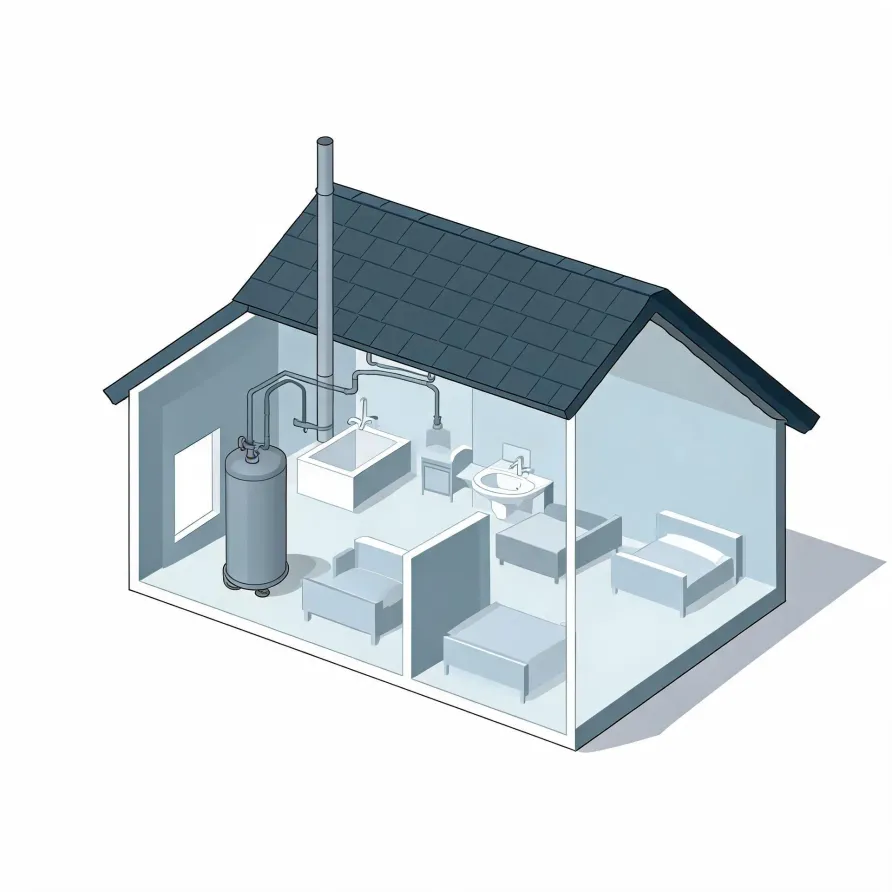
The tank or tankless unit is the center of the system. A storage tank sits in a utility room, basement, or garage and holds a ready supply of hot water. A tankless unit mounts on a wall and heats water only as it moves through the unit.
The pressure relief valve attaches directly to the tank and releases pressure if it builds beyond a safe point. The cold-water inlet and hot-water outlet lines connect the unit to the house supply, and the flue or venting pipe carries combustion gases out through the wall or roof.
The drawing shows a general layout, and a licensed contractor determines what applies to your specific home and setup.
Find a contractor in Watauga CountyWatauga County, by the numbers
119 severe weather events were recorded in Watauga County, North Carolina between 2015 and 2024.
NOAA National Centers for Environmental Information, Storm Events Database, bulk CSV export, events 2015-01-01 through 2024-12-31.Half the homes in Watauga County, North Carolina were built in 1988 or earlier (2020-2024 ACS 5-year).
U.S. Census Bureau, 2020-2024 American Community Survey 5-Year EstimatesWatauga County, North Carolina holds 33,355 housing units (2020-2024 ACS 5-year).
U.S. Census Bureau, 2020-2024 American Community Survey 5-Year EstimatesOwners occupy 62.1% of the occupied homes in Watauga County, North Carolina (2020-2024 ACS 5-year).
U.S. Census Bureau, 2020-2024 American Community Survey 5-Year EstimatesSevere Weather Events in Watauga County
Water heaters work harder when the weather around them swings hard, and the stress from those swings shortens equipment life. How often Watauga County sees severe weather is part of what shapes the right installation decision here.
119 severe weather events, 2015–2024. Source: NOAA National Centers for Environmental Information, Storm Events Database.