Tell us about the job
Takes about a minute. No obligation.
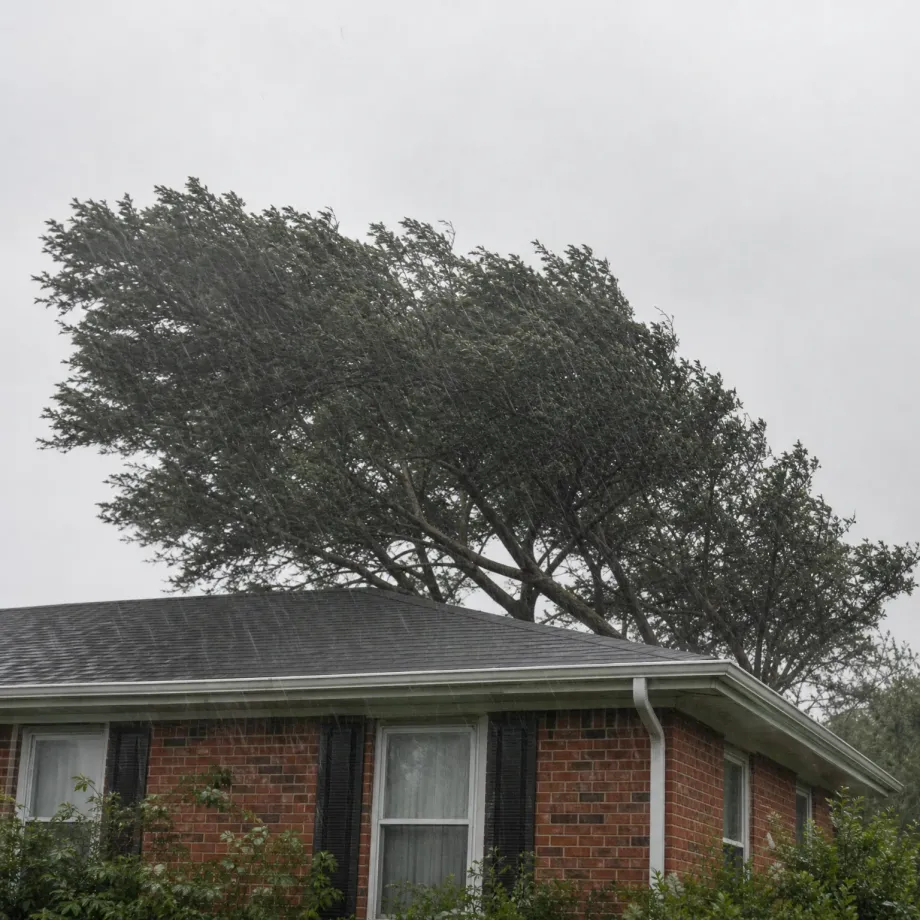
A water heater in good shape from the start and kept up over the years will outlast what this county's weather throws at it. 67 severe weather events were recorded in Edgecombe County, North Carolina between 2015 and 2024. At roughly that pace, severe weather is an event a system might see a handful of times in its life, not a steady grind on components. A contractor sizing or installing a new unit here is pricing for the house, the household demand, and the local water supply, because those are what drive wear. The weather record does not change that calculation much.
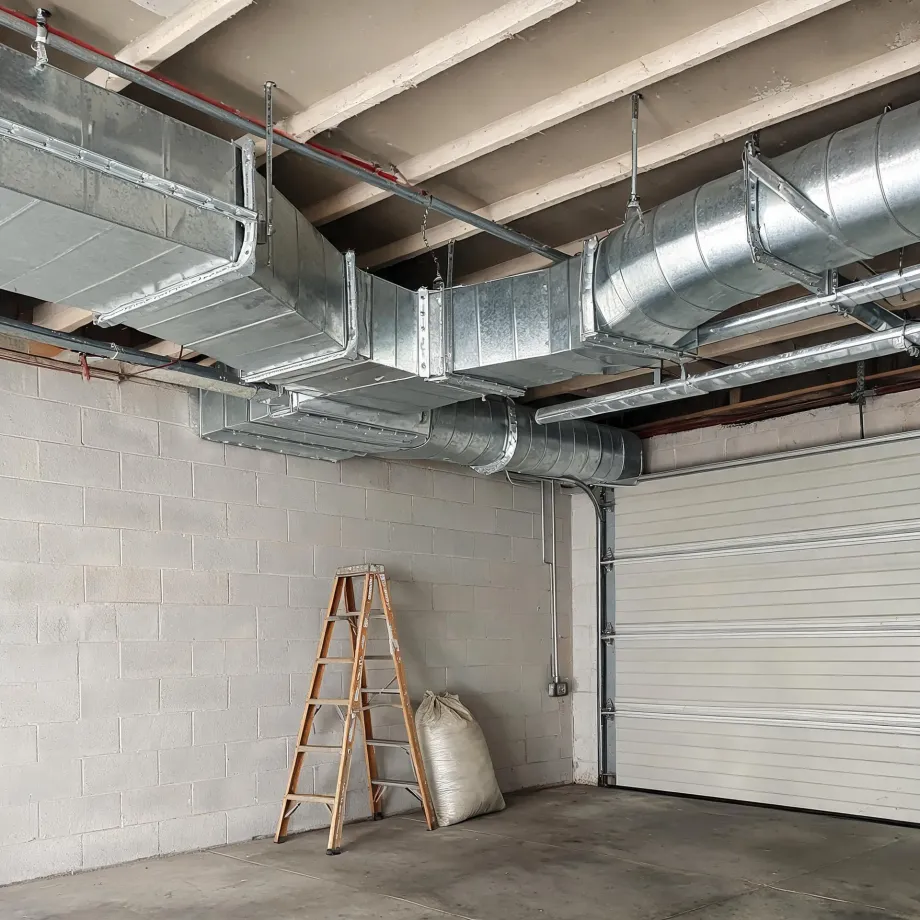
Ductwork and electrical panels in houses this old were built around the demands of whatever equipment was standard at the time of construction. Half the homes in Edgecombe County, North Carolina were built in 1978 or earlier (2020-2024 ACS 5-year). A water heater replacement in stock this age often turns on whether the existing electrical service can carry what a new unit draws, and that answer lives in the panel, not in the product catalog. A contractor doing this work opens that question before anything else gets priced.
What a Water Heater Installation Involves
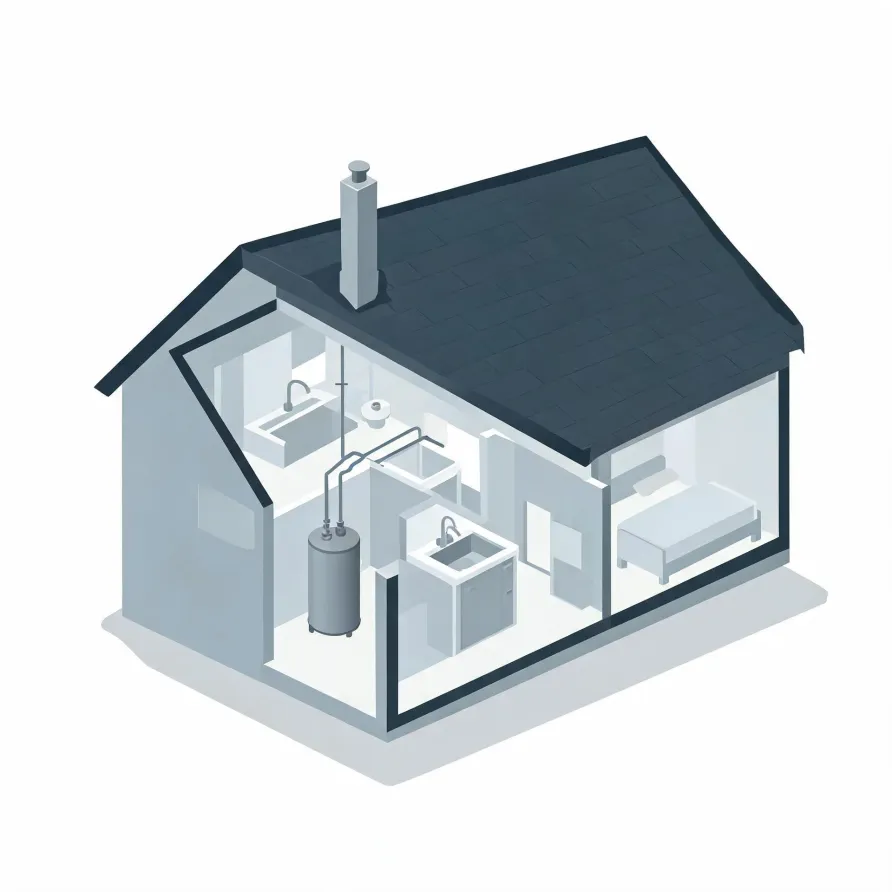
The tank or tankless unit is the centerpiece of the system. A storage-tank water heater sits in a utility room, basement, or garage and holds a reservoir of heated water ready for use. A tankless unit mounts on a wall and heats water only as it moves through.
Running alongside the unit are the cold-water supply line that feeds it, the hot-water outlet line that carries heated water to every fixture in the house, and the pressure-relief valve that sits on the side of the tank as a safety device. A gas-fired unit also has a flue that vents combustion gases out of the house.
The drawing shows a typical layout, and a licensed contractor determines what the installation requires in your specific home.
Find a contractor in Edgecombe CountyEdgecombe County, by the numbers
67 severe weather events were recorded in Edgecombe County, North Carolina between 2015 and 2024.
NOAA National Centers for Environmental Information, Storm Events Database, bulk CSV export, events 2015-01-01 through 2024-12-31.Half the homes in Edgecombe County, North Carolina were built in 1978 or earlier (2020-2024 ACS 5-year).
U.S. Census Bureau, 2020-2024 American Community Survey 5-Year EstimatesEdgecombe County, North Carolina holds 23,281 housing units (2020-2024 ACS 5-year).
U.S. Census Bureau, 2020-2024 American Community Survey 5-Year EstimatesOwners occupy 60.8% of the occupied homes in Edgecombe County, North Carolina (2020-2024 ACS 5-year).
U.S. Census Bureau, 2020-2024 American Community Survey 5-Year EstimatesSevere Weather Events in Edgecombe County
Edgecombe County's weather puts real demands on water heating equipment, from the stress of temperature swings to the strain of power disruptions. How often those conditions hit locally shapes what a water heater here has to handle over its working life.
67 severe weather events, 2015–2024. Source: NOAA National Centers for Environmental Information, Storm Events Database.